
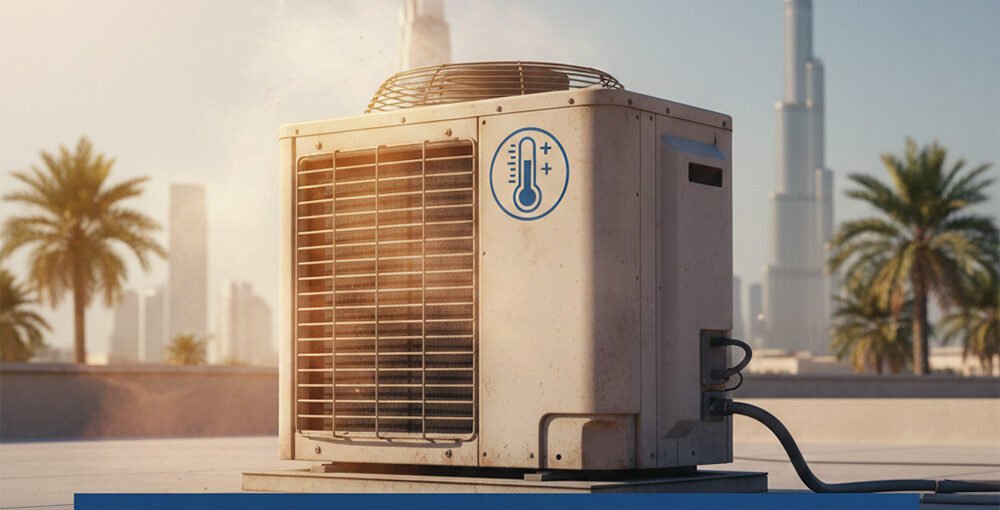
Why Your AC Compressor is Overheating in Dubai Summer: Expert Troubleshooting
If you’ve ever walked into your home on a scorching July afternoon in Dubai only to find warm air blowing from your vents, you know that sinking feeling. Your AC compressor might be overheating—and in this climate, that’s not just uncomfortable, it’s urgent.
Living in Dubai means your air conditioning system works harder than almost anywhere else on the planet. When temperatures regularly climb past 45°C outside, your compressor is essentially running a marathon every single day. The question isn’t really if problems will happen, but when—and what you can do about them before a small issue turns into an expensive breakdown.
Over years of servicing AC units across Dubai and the wider UAE, I’ve seen the same patterns repeat. Most compressor overheating issues stem from a handful of causes, and many of them are preventable. Let’s walk through what’s actually happening to your system and how to spot trouble before you’re stuck calling for emergency service on a Friday afternoon.
Understanding the “Dubai Heat Factor” on HVAC Systems
Here’s something most homeowners don’t realize: your AC compressor wasn’t designed with Dubai in mind. Most residential units are engineered for ambient temperatures around 35°C. When you’re dealing with 45°C or higher—which is pretty standard during summer months here—you’re already operating outside the comfort zone of your equipment.
The compressor’s job is to pressurize refrigerant and pump it through your system. This process naturally generates heat. Under normal conditions, that heat dissipates into the surrounding air. But when the outside air is already blazing hot, there’s nowhere for that heat to go. It’s like trying to cool down by standing in front of a hairdryer.
Add in the heat load from your home—all that solar radiation beating down on your roof, walls absorbing heat throughout the day, windows acting like greenhouses—and your compressor is fighting a losing battle. It runs longer cycles, works harder, and generates even more heat in the process. This is the reality of HVAC in the UAE, and it’s why regular maintenance isn’t optional here like it might be in milder climates.
Top 5 Causes of AC Compressor Overheating in the UAE
1. Clogged Condenser Coils (Dust & Sand Accumulation)
Walk outside and look at your outdoor unit right now. Chances are, if it hasn’t been cleaned recently, those condenser coils are coated in a thick layer of dust and sand. This is probably the most common issue I see on service calls across Dubai.
Those coils need to exchange heat with the air around them—that’s literally their entire purpose. But when they’re insulated by dust, sand, and sometimes even bits of plastic bags or debris that blow around during shamal winds, heat exchange becomes impossible. Your compressor keeps working harder and harder, generating more heat that has nowhere to go.
The sandstorms we get, especially during spring and early summer, make this worse. Even a light coating of fine dust can reduce efficiency by 20-30%. After a proper sandstorm, you might as well have wrapped your unit in a blanket.
2. Low Refrigerant Levels (The Hidden Leak)
This one sneaks up on people. Your AC was working fine, then gradually it starts taking longer to cool your home, and eventually the compressor starts overheating. Nine times out of ten, you’ve got a refrigerant leak somewhere in the system.
When refrigerant levels drop—whether it’s R22 in older systems or R410A in newer ones—the compressor has to work roughly twice as hard to achieve the same cooling effect. That extra work translates directly into friction and heat buildup. The compressor motor is running longer cycles, the mechanical components are grinding harder, and heat just keeps accumulating.
What makes this tricky is that leaks are often tiny. You might lose gas slowly over months or even years. By the time you notice the cooling problem, your compressor has already been stressed for quite a while. A proper gas top-up isn’t just about adding refrigerant—you need to find and fix that leak first, or you’re just postponing the problem.
3. Failed Capacitor or Electrical Issues
Capacitors are small but critical components that give your compressor the electrical boost it needs to start up. When they fail—and they do fail regularly in extreme heat—your compressor struggles to get going. This creates what we call a “hard start,” where the motor is drawing excessive current and generating tremendous heat just trying to kick on.
Voltage drops are another issue, especially in older buildings or areas where the electrical infrastructure is stressed during peak summer demand. If your compressor is trying to run on insufficient voltage, it’s like asking someone to sprint uphill wearing a weighted vest. The motor works overtime and overheats quickly.
I’ve seen units that trip the circuit breaker every afternoon around 2-3 PM when demand is highest. That’s usually your electrical system saying “enough” before serious damage occurs. The breaker is actually protecting your compressor from burning out entirely.
4. Lack of Proper Ventilation (Outdoor Unit Placement)
Here’s a mistake I see constantly, especially in apartment buildings and townhouses: outdoor units crammed into tiny balconies, stuffed into corners, or placed in spots with zero airflow. Some are mounted where they get direct sunlight beating down all day without any shade or protection.
Your outdoor unit needs room to breathe. The fan inside pulls air across those condenser coils to dissipate heat, but if there’s no clearance around the unit—or if it’s boxed in by walls, furniture, or landscaping—that hot air just recirculates. The unit keeps heating up its own air supply, making the overheating problem exponentially worse.
In real service calls, I’ve measured temperature differences of 10-15°C just by improving airflow around a unit or adding simple sun shading. That’s enough to make the difference between a compressor that limps through summer and one that runs reliably.
5. Mechanical Wear and Lack of Lubrication
AC compressors have moving parts, and moving parts need lubrication. Over time—especially in older Dubai villas and apartments where AC systems might be 10+ years old—that compressor oil breaks down or gets contaminated. Without proper lubrication, internal components create more friction, which generates more heat.
This is where genuine spare parts really matter. When a compressor needs replacement or major service, using quality components from trusted brands like Bristol or Copeland makes a huge difference in longevity. Cheap knock-off parts might save money initially, but they fail faster and often take other system components down with them.
Mechanical wear isn’t something you can prevent forever, but you can definitely extend your compressor’s life through proper maintenance and using the right parts when repairs are needed.
Signs Your Compressor is Overheating (Before it Fails)
Most compressors give you warning signs before they completely give out. Learning to recognize these symptoms can save you from a total system failure during the hottest week of summer.
Circuit breaker tripping is often the first sign. If your AC breaker keeps flipping, especially during hot afternoons, your compressor is drawing too much current because it’s struggling. Don’t just keep resetting the breaker—that’s your system crying for help.
Loud humming or buzzing noises from the outdoor unit usually mean the compressor motor is straining. A healthy compressor makes steady, relatively quiet operational sounds. When you hear that labored hum that sounds like the unit is working way too hard, something’s wrong.
Warm air from your vents is the obvious one, but pay attention to when it happens. If your AC cools fine in the morning but starts blowing warm air by afternoon, that’s classic compressor overheating. The unit works until it gets too hot, then it can’t keep up.
The outdoor unit might also be hot to the touch—I mean genuinely hot, not just warm. While it’s normal for the unit to be warmer than ambient temperature, if you can’t comfortably hold your hand near the compressor housing, that’s excessive heat.
Step-by-Step Troubleshooting for Homeowners
Before calling a technician, there are some safe checks you can do yourself. Start with your thermostat—is it set correctly? Sometimes it’s the simple things.
Check your air filters next. A clogged filter restricts airflow, which forces your system to work harder and can contribute to overheating. In Dubai, I recommend checking filters monthly during summer, not quarterly like you might in other climates.
Walk outside and visually inspect the outdoor unit. Is anything obviously blocking it? Clear away any debris, make sure there’s clearance around all sides, and check if the fan is spinning when the system runs.
Look at your circuit breaker panel. Has the AC breaker tripped? If it’s tripped once, reset it and see if the problem recurs. If it trips repeatedly, stop trying—you’ve got an electrical issue that needs professional attention.
Listen to the sounds your system makes. That baseline familiarity with how your AC normally sounds will help you identify when something’s off.
What you shouldn’t do: Don’t open the outdoor unit yourself, don’t try to add refrigerant if you’re not trained, and definitely don’t bypass electrical safeties or keep resetting a tripping breaker indefinitely.
When to Replace vs. Repair Your Compressor
This is the tough conversation nobody wants to have, but sometimes replacement makes more sense than repair. If your compressor has completely burnt out—meaning the motor windings are damaged or internal components have seized—you’re looking at a major expense either way.
For compressors under 5 years old, repair usually makes sense, assuming you can source genuine replacement parts. Quality compressors from brands like Bristol, Copeland, or Danfoss can be rebuilt or have components replaced, and they’ll give you several more years of reliable service.
Once a compressor hits 8-10 years old, especially here in Dubai where they work so hard, replacement often makes more financial sense. An older compressor that’s overheating has likely suffered cumulative wear, and even after repair, you’re probably looking at more issues down the line.
The other consideration is efficiency. Newer compressors are significantly more energy-efficient than models from even 10 years ago. The electricity savings alone might justify replacement, especially given how much your AC runs here.
If you do need a new compressor, source it from a reliable HVAC supplier—somewhere like AlWaleedHVAC.com where you know you’re getting genuine manufacturer parts, not gray market or counterfeit components. Al Waleed A/C Spare Parts Trading LLC in Deira stocks quality compressors and can help guide you toward the right match for your system. Using the right part the first time saves you from doing the same repair twice.
FAQ Section
What is the average lifespan of an AC compressor in Dubai?
In Dubai’s extreme climate, a well-maintained AC compressor typically lasts 8-12 years. This is shorter than the 15-20 years you might see in milder climates because of the constant heat load and extended operating hours. Regular maintenance—especially keeping coils clean and refrigerant levels correct—can push that toward the longer end.
How many minutes should I wait to restart my AC after it overheats?
Wait at least 30 minutes before attempting to restart, though an hour is better. This gives the compressor time to cool down and allows oil to settle back into the proper locations. Repeatedly trying to restart a hot compressor can cause serious damage to internal components.
Will cleaning my AC filters prevent the compressor from overheating?
Clean filters definitely help by maintaining proper airflow, which reduces overall system stress. However, filters alone won’t prevent compressor overheating if you have refrigerant leaks, electrical issues, or dirty condenser coils. Think of it as one important piece of the puzzle, not the complete solution.
Why does my AC compressor trip the circuit breaker only in the afternoon?
Afternoon is when your system faces maximum stress—peak outdoor temperatures combined with heat that’s been building in your home all day. If there’s an underlying issue like a failing capacitor or low refrigerant, the compressor draws excessive current during these high-demand periods, tripping the breaker. It’s working fine when demand is lower but can’t handle the afternoon heat load.
Is it worth replacing a compressor, or should I buy a new outdoor unit?
This depends on the age and condition of your entire system. If your outdoor unit is under 8 years old and only the compressor has failed, replacement makes sense. If the unit is older, or if you’ve had multiple component failures, investing in a complete new outdoor unit often provides better value and efficiency. Get quotes for both options before deciding.
How do I know if my compressor is burnt out or just hot?
A compressor that’s merely overheated will eventually cool down and work again (though the underlying problem remains). A burnt-out compressor shows permanent damage—it might make grinding noises, fail to start at all, or trip breakers immediately upon startup. An HVAC technician can test electrical resistance and check for proper motor function to determine if damage is permanent.
Where can I find genuine AC compressor spare parts in Dubai?
For genuine manufacturer parts, established HVAC suppliers in Dubai are your best bet. Al Waleed A/C Spare Parts Trading LLC in Deira carries authentic compressors from major brands and can verify compatibility with your specific system. Avoid suspiciously cheap parts from unknown sources—counterfeit compressors are surprisingly common and fail quickly, leaving you paying for the same repair twice.