
Showing all 6 results
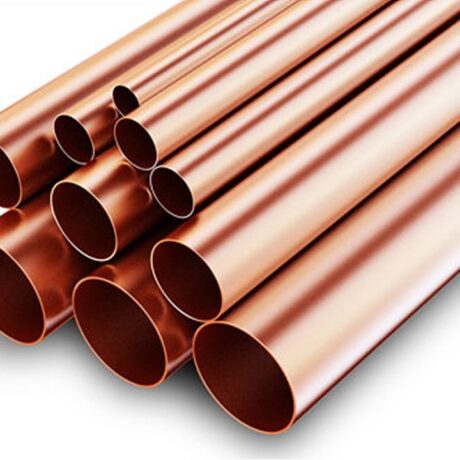
Copper Pipe Lengths and Tubing Standards in UAE HVAC: A Strategic Supplier’s Guide
Copper tubing is the universally accepted standard for transferring refrigerant and water across the spectrum of HVAC, plumbing, and mechanical systems. In the UAE’s high-pressure construction and demanding cooling environment, selecting the correct copper pipe lengths and wall thickness is a non-negotiable step for system efficiency and code compliance. Al Waleed A/C Spare Parts Dubai is your Principal Supplier of high-purity copper pipes, ensuring every installation—from residential split units in Dubai to large commercial chilled water systems—benefits from materials designed to withstand the region’s extreme operating conditions.
Understanding Copper Tube Types and Wall Thickness
The classification of copper tubing in the UAE is primarily based on the wall thickness, which determines its pressure rating and application. These standards are crucial for HVAC technicians to manage the higher operating pressures of modern refrigerants like R410A.
The Four Primary Types of Copper Tubing
Importance of Wall Thickness for R410A Systems
Due to the increased operating pressure of R410A compared to legacy refrigerants like R22 (often 60% higher), modern systems demand robust piping. While Type L (or its dedicated ACR standard, ASTM B280) is the common choice for ACR copper pipe in the UAE, technicians must verify that the wall thickness (e.g., 0.81mm for 1/2 inch OD) is adequate to prevent leaks and catastrophic failure under high-temperature cycling. Using thinner Type M in high-pressure AC lines introduces a significant risk of pipe rupture and refrigerant loss.
Forms, Features, and Technical Benefits of Copper
Copper remains the industry standard globally and in the Emirates due to its unmatched physical and chemical properties.
Key Features and Material Durability
-
Corrosion Resistance: Copper naturally forms a passive protective layer, giving it high resistance to internal refrigerant flow and external atmospheric corrosion, essential for outdoor units in the coastal environment of Dubai.
-
High Thermal Conductivity: Copper possesses excellent thermal transfer properties (around 390 W/mK), which makes it the best material for heat exchangers and refrigerant lines where efficient heat transfer is the core function.
-
Ease of Fabrication and Soldering: Copper is easily worked, bent, and reliably joined using soldering or brazing. This allows for precise on-site configuration, crucial for navigating complex installations in commercial and industrial buildings.
The Role of Soft Annealed Copper (Coils)
Soft copper tubing is supplied in flexible coils (typically 15.24-meter or 50-foot rolls) and is designated with ACR markings (Air Conditioning and Refrigeration).
-
Flexibility: The annealed (soft) temper allows the pipe to be bent significantly without losing its tensile strength, which minimizes the need for fittings and brazing joints—a major factor in preventing potential leak points.
-
Purity and Cleanliness: ACR copper is manufactured to be seamless, dehydrated, and cleaned internally to an ultra-low residue level (often less than 0.038g/m2) and is sealed with nitrogen to maintain internal purity, ensuring it does not contaminate the delicate compressor oil and refrigerant.
Straight hard drawn lengths (typically 5.8 or 6-meter sections) are used for larger, rigid runs in commercial construction where appearance and structural integrity are priorities.
Procurement and Price in UAE
The purchasing decision for copper pipe lengths in Dubai depends on balancing quality (wall thickness/purity) against the project budget.
-
Best Copper Pipe for AC: The best copper pipe is always one that is certified (e.g., ASTM B280) and has a wall thickness suitable for the maximum operating pressure of the refrigerant (R410A or R32). Prioritizing high-purity copper ensures long-term system health.
-
Copper Pipe Price in UAE: Due to global market fluctuations, the copper pipe price varies. However, we maintain competitive pricing on all types, from small ACR copper coils to large diameter hard-drawn lengths for VRF systems. We recommend bulk purchasing of standard lengths (50-foot coils, 6-meter lengths) for the best economy of scale.
Why Choose Al Waleed A/C Spare Parts Dubai?
Our strategic position in the UAE market allows us to serve the rapid HVAC technician workflow and the high-quality demands of the region.
-
Guaranteed Quality: We supply only seamless copper tubing that adheres to international standards like ASTM B280 and is factory-cleaned and capped, addressing the fundamental need for refrigerant purity.
-
Comprehensive Inventory: We stock the full range of Type K, Type L, and ACR copper pipe lengths and coils in all required imperial and metric sizes, ensuring we can meet the immediate needs for both routine service and large-scale commercial project procurement.
-
Reliability: We understand that a lack of materials directly translates to cooling downtime in the UAE. Our commitment to fast delivery expectations and reliable stock levels makes us the trusted partner for contractors across Abu Dhabi, Sharjah, and Dubai.
Technical Copper Tubing FAQ
Q: What is the significance of the colored markings (Green, Blue, Red) on copper pipes?
A: The colored markings indicate the copper tube type as defined by the wall thickness, according to ASTM B88 standards, which is commonly referenced in the UAE. Green is Type K (thickest wall), Blue is Type L (medium wall), and Red is Type M (thinnest wall).
Q: Is Type L copper pipe sufficient for R410A systems?
A: Type L copper is generally acceptable for R410A systems, provided it meets the minimum wall thickness specified by the unit manufacturer and the applicable standard (ASTM B280). The high pressure of R410A necessitates thicker walls than were commonly used for older R22 systems.
Q: What does “ACR marking” mean on soft copper rolls?
A: ACR stands for Air Conditioning and Refrigeration. This marking denotes that the tubing meets the strict internal cleanliness standards (dehydrated and sealed) required to transport refrigerants and compressor oil without causing contamination or system damage.
Q: Can hard copper lengths be bent during installation?
A: Hard drawn (rigid) copper lengths can only be bent using fittings (elbows and couplings) and brazing. They cannot be bent with a hand bender or manually, as they will kink and compromise the structural integrity. Only soft annealed copper is suitable for bending.
Q: What is the main benefit of using soft copper coils over straight lengths in a split AC installation?
A: The main benefit is minimizing the number of brazed joints. A single run of soft copper coil can often connect the indoor and outdoor unit without any mid-run fittings, which significantly reduces the potential points of refrigerant leakage.
Q: Why are modern copper coils prone to leaking compared to older copper?
A: Manufacturers have reduced wall thickness due to the rising cost of copper. This thinner copper, when combined with the higher operating pressures of new refrigerants, makes the tubing more susceptible to failure or leakage from vibration and material fatigue over time.
Q: What is the best way to join copper pipes for high-pressure HVAC systems?
A: Copper pipes for high-pressure HVAC applications must be joined using brazing (not soldering). Brazing requires a filler alloy with a melting point above 450 degrees C, typically containing silver, to create a strong, high-integrity joint capable of handling R410A pressures.
Q: Why is internal cleanliness of the copper tubing so important in a refrigeration system?
A: Any internal contaminants, such as moisture, flux residue, or metal shavings, can react with the refrigerant and compressor oil, creating acidic sludge. This sludge can damage the compressor motor windings, lead to premature system failure, and block the metering device.
Q: Does copper pipe have antimicrobial properties?
A: Yes, copper naturally possesses antimicrobial properties. This is a beneficial feature, especially in chilled water systems and medical applications, as it helps to inhibit the growth of bacteria and other harmful microbes within the piping.
Q: What determines the appropriate length of copper piping to buy for an AC installation?
A: The length is determined by the distance between the indoor and outdoor unit, plus a small amount of extra length for routing and making connections. Manufacturers often specify a minimum line length to ensure proper oil return and refrigerant charge stability.