
Showing all 2 results
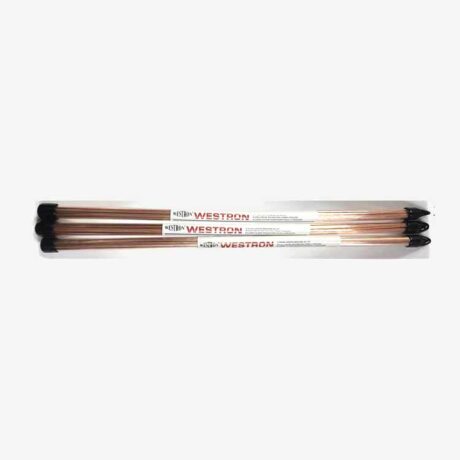
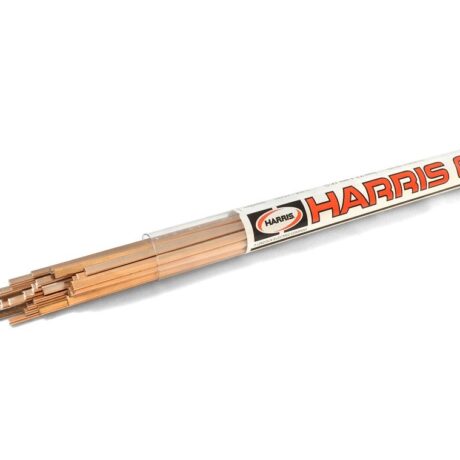
Strategic Supplier of High-Purity HVAC Brazing Rods and Flux in UAE
The integrity of a refrigerant circuit in the UAE, particularly in high-pressure R410A systems, is entirely dependent on the quality of its brazed joints. A weak or contaminated joint can result in micro-leaks, leading to system failure, costly refrigerant loss, and potential regulatory non-compliance. HVAC and refrigeration technicians require certified, high-purity brazing rods and flux to create reliable, strong, and load-bearing connections essential for continuous, high-performance cooling in the Gulf region.
Al Waleed A/C Spare Parts Dubai is the Strategic Supplier of a comprehensive range of HVAC Brazing Rods UAE and specialized fluxes, covering copper-to-copper, copper-to-brass, and critical aluminum component joining. We ensure our products meet strict industry specifications, including the AWS A5.8 standards, giving technicians the confidence to perform leak-proof repairs and installations across commercial and residential HVAC/R infrastructure.
Technical Selection Guide for Filler Metals
Selecting the correct filler metal is a critical step for service work. The choice is determined by the base metals being joined and whether external flux is required.
| Brazing Rod Type | Composition | AWS Classification | Primary Application | Key Operational Temperature |
| Phos-Copper (0% Silver) | Phos-Copper, 7.1 percent Phosphorus | BCuP-2 | Joining Copper to Copper alloys only. Self-fluxing on copper. | Liquidation: 1475 degrees F (802 degrees C) |
| Phos-Copper-Tin-Silicon | Phos-Copper, Tin, Silicon Alloy | BCuP-5 (Typical) | Joining Copper to Brass or bronze. Lower working temperature. | Liquidation: Lower than BCuP-2, requires external flux (if not BCuP-5). |
| Aluminum Brazing | Specialized Aluminum Filler Metal | Al-Si Alloys (e.g., 4047) | Joining aluminum coils, tubing, and fittings. Requires Aluminum Flux. | Liquidation: 1070 degrees F (577 degrees C) (Approx) |
Understanding Phos-Copper (BCuP-2) Integrity
The standard Phos-Copper Brazing Alloy (0 percent Silver) is the workhorse of HVAC repair for copper-to-copper connections. The Phosphorus content acts as the fluxing agent, removing copper oxide upon heating, simplifying the process and creating a strong, load-bearing joint suitable for the high internal pressures found in modern AC systems. The brazing process must be managed carefully between the solidus (1310 degrees F / 710 degrees C) and liquidus (1475 degrees F / 802 degrees C) temperatures to achieve proper alloy flow.
Specialized Joining and Aluminum Repair
Modern refrigeration systems, especially micro-channel condensers and lightweight components, often utilize aluminum. Repairing these parts requires specialized products:
-
Copper to Brass Joints: When connecting copper tubing to brass service valves, distributors, or fittings, standard Phos-Copper BCuP-2 is not suitable as it will not flow correctly on brass. A specialized alloy containing Tin and/or Silver is required, often used in conjunction with a separate flux, to ensure a strong, leak-proof weld.
-
Aluminum Brazing Flux: Aluminum naturally forms a tenacious oxide layer that prevents filler metal flow. Aluminum Brazing Flux, supplied as a powder or paste, is mandatory to chemically clean the surface and allow the aluminum filler metal (like 4047) to bond effectively to common aluminum alloys (e.g., 3003, 6061) found in UAE HVAC coils.
Brazing Rods and Flux Price and Supply in Dubai
For technicians focused on rapid, high-quality service, immediate access to certified brazing consumables is essential.
Al Waleed A/C Spare Parts Dubai provides competitive pricing on all HVAC Brazing Rods UAE in standard lengths (e.g., 2 mm or 1/8 inch sticks) and bulk packaging. We offer technical assurance that our rods meet the required AWS A5.8 compliance, guaranteeing the integrity of every joint. Our inventory management ensures constant stock of the necessary materials, including the specialized Aluminum Brazing Flux, ready for fast delivery to workshops and job sites across Dubai.
Why Choose Al Waleed A/C Spare Parts Dubai?
We prioritize technical compliance and practical support for the HVAC technician’s workflow.
-
AWS Compliance Guarantee: We supply only brazing alloys that adhere to the American Welding Society (AWS) A5.8 standards (e.g., BCuP-2), ensuring the metallurgical integrity and load-bearing capacity of every joint.
-
Specialized Stock: We stock the necessary specialized rods and fluxes for joining dissimilar metals (copper to brass, aluminum), preventing technicians from using incorrect materials that lead to premature leaks.
-
High-Temperature Focus: Our Phos-Copper rods are ideal for creating robust, high-temperature, high-pressure joints, which are fundamental to the efficient and safe operation of AC systems operating under continuous load in the UAE.
-
Bulk Quantity Supply: We understand the volume needs of commercial contractors and provide rods in convenient, weight-controlled packaging suitable for bulk procurement.
Technical FAQ for HVAC Brazing Rods and Flux
Q: What is the primary safety measure that must be taken when brazing copper lines in HVAC systems?
A: The primary safety measure is the use of an inert gas purge, specifically nitrogen, inside the copper tubing during the entire heating process. This prevents the formation of internal copper oxide scale, which contaminates the refrigerant circuit and causes component failure.
Q: Why is standard Phos-Copper (BCuP-2) not suitable for joining copper to brass fittings?
A: Standard BCuP-2 does not contain the elements (like tin or silver) needed to flow and alloy correctly with the zinc content found in brass. If used, it will create a brittle, weak, and porous joint that is highly susceptible to leakage under pressure. A silver or tin-containing alloy with external flux is required for brass.
Q: What does the term “Solidus Temperature” (e.g., 1310 degrees F / 710 degrees C) refer to?
A: The Solidus Temperature is the maximum temperature at which the filler metal remains completely solid. As the rod is heated past this point, it begins to melt, forming a plastic state before reaching the liquidus temperature where it is fully molten and free-flowing into the joint capillary.
Q: How does the thickness of the brazing rod (e.g., 2 mm vs. 1/8 inch) impact the welding process?
A: Thicker rods (e.g., 1/8 inch) are generally used for larger diameter pipes (7/8 inch OD and above) as they supply more filler metal faster. Thinner rods (e.g., 2 mm) are preferred for smaller diameter tubing (1/4 inch to 5/8 inch) to prevent overheating the joint and to achieve better control over the filler metal deposition.
Q: Is it necessary to use a separate flux when brazing copper-to-copper lines with Phos-Copper rods?
A: No. Phos-Copper alloys are self-fluxing when joining copper to copper because the phosphorus component acts as the chemical agent to dissolve copper oxides upon heating, eliminating the need for a separate external flux.
Q: What is the critical role of Aluminum Brazing Flux when repairing aluminum coils?
A: Aluminum flux is critical because it chemically dissolves the tough, naturally occurring aluminum oxide layer on the metal surface. Without the flux, the filler metal cannot wet the surface and flow, resulting in a joint that simply peels away and is not leak-proof.
Q: What is the approximate silver content in the commonly used Phos-Copper rods supplied for basic HVAC applications?
A: The standard and most cost-effective Phos-Copper rod used for basic copper-to-copper joints contains 0 percent silver. Higher silver content rods (e.g., 5 percent, 15 percent, 45 percent) are reserved for applications involving dissimilar metals or joints requiring enhanced ductility and lower working temperatures.
Q: What is the recommended size of the capillary gap between the two copper pieces for optimal brazing?
A: For successful capillary action and maximum joint strength, the gap should be very small, ideally between 0.001 inch and 0.005 inch (0.025 mm and 0.127 mm). Overly large gaps result in weak, porous joints.
Q: Why do HVAC technicians in the UAE often prefer Phos-Copper over soft solder for permanent joints?
A: Phos-Copper brazing creates a joint with a significantly higher tensile strength and working temperature tolerance than soft solder. This durability is mandatory for the high-pressure, high-vibration environment of air conditioning compressors and the extreme thermal cycling in the UAE climate.
Q: Are there any EU compliance issues with the Aluminum Brazing Flux supplied by Al Waleed A/C Spare Parts Dubai?
A: Our high-quality Aluminum Brazing Flux is sourced to comply with modern chemical regulations, including adherence to EU Reach and RoHS directives. This ensures the product is safe, minimizes hazardous substances, and meets international quality standards for professional use.