
Showing 1–16 of 20 results
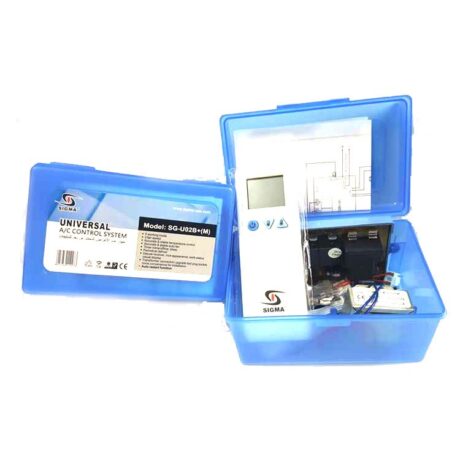
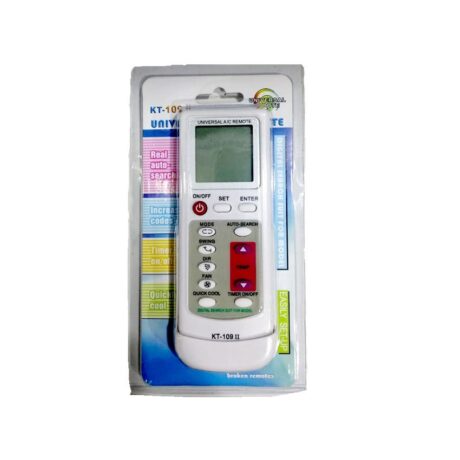
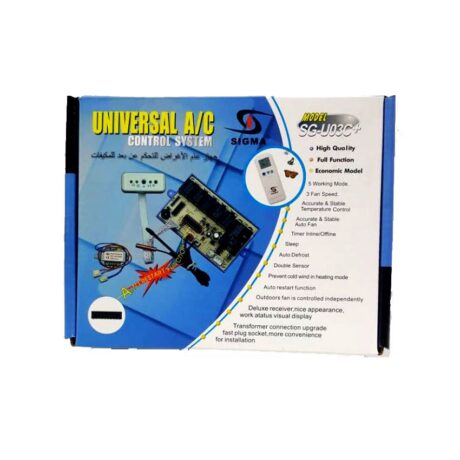
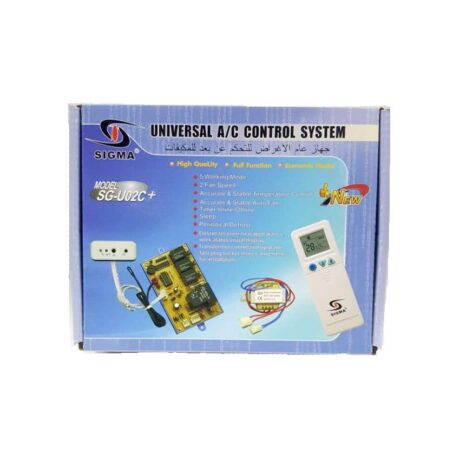
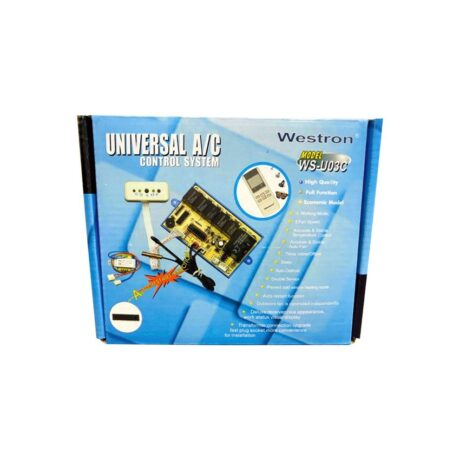

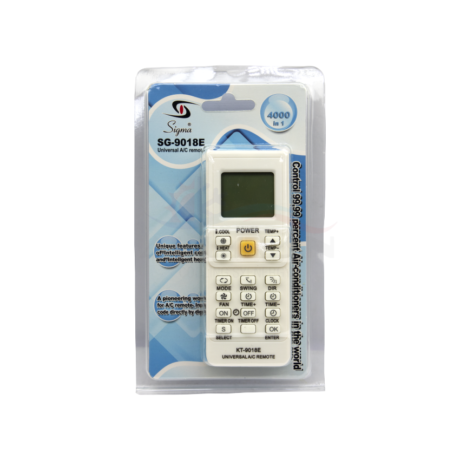
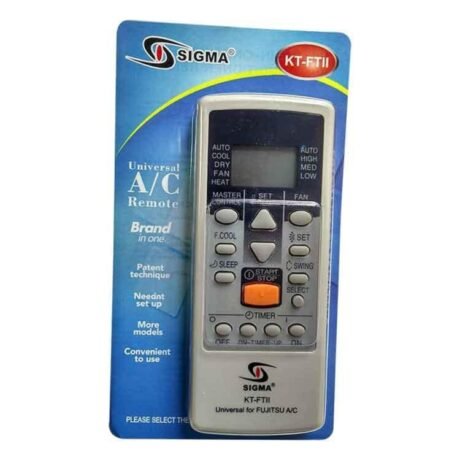
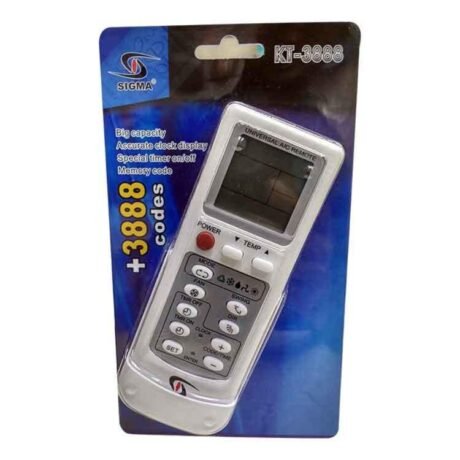
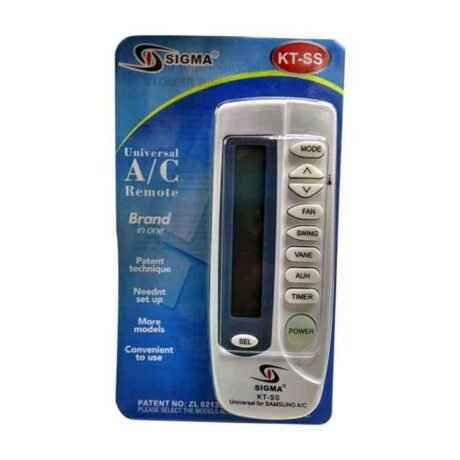
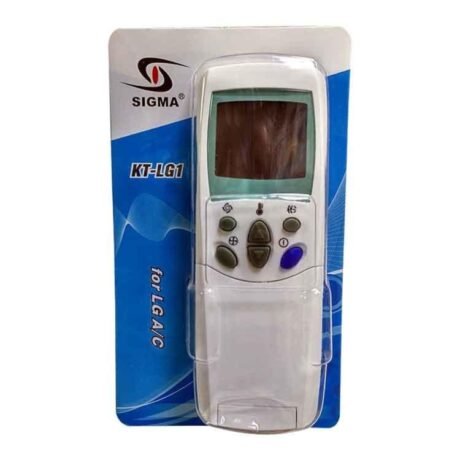
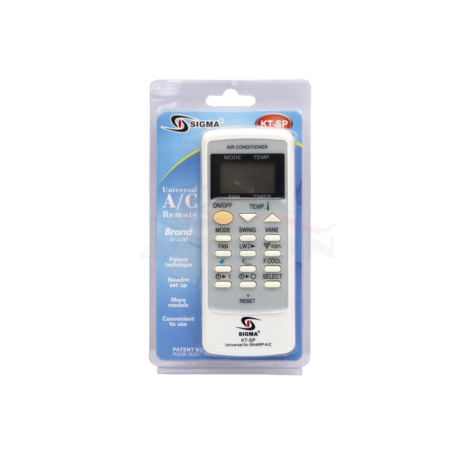
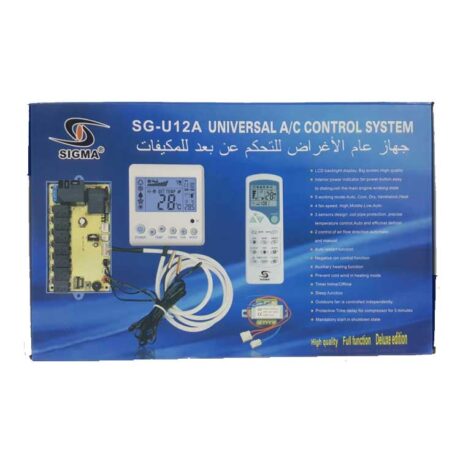
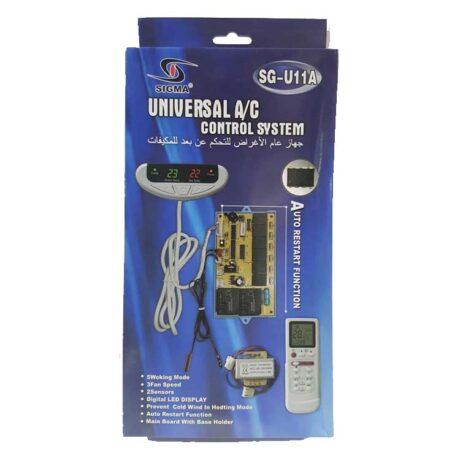
Leading Supplier in UAE for AC PCB Boards and Universal Remote Controls for the Dubai HVAC Market
The consistent, high-efficiency performance of air conditioning systems in the UAE, particularly in demanding environments like Dubai, hinges on the reliability of two core electronic components: the Printed Circuit Board (PCB) and the Universal Remote Control. As cooling dependency is non-negotiable in the Gulf climate, professional HVAC technicians and facilities managers require immediate access to high-quality, resilient spare parts. Al Waleed A/C Spare Parts Dubai is your trusted source for critical control logic and interface solutions for all residential, commercial, and industrial HVAC applications.
The Technical Imperative of AC PCB Boards
The Printed Circuit Board (PCB), often referred to as the main control board or AC motherboard, is the central processing unit and electronic nerve center of any modern air conditioning system, whether it’s a simple split unit, a sophisticated inverter system, or a large-scale ducted unit. It governs all operational parameters, ensuring safety and optimal cooling output.
Role and Function in UAE HVAC Systems
The PCB’s primary function is to manage the intricate communication between the internal and external units. It is responsible for:
-
Logic Control: Processing input from the thermostat, sensors, and remote to dictate the compressor’s on/off cycle and capacity (especially in inverter models).
-
Sensor Management: Reading ambient and coil temperature thermistors to maintain precise temperature control, critical for energy efficiency and compliance with UAE cooling regulations.
-
Component Actuation: Controlling relays for the indoor fan blower motor speed (High, Medium, Low), outdoor condenser fan, and reversing valve (in heat/cool models).
-
Error Diagnostics: Housing the system’s fault codes, which are essential for swift and accurate troubleshooting by the technician.
In the challenging high-ambient temperature and high-humidity conditions of the UAE, PCB boards are subjected to immense stress. We supply boards fabricated with robust components and protective coatings designed to resist thermal degradation, voltage fluctuations (common causes of capacitor and transistor damage), and moisture-induced corrosion or short circuits. For complex systems, our universal inverter PCB boards offer a flexible, cost-effective, and technically reliable replacement for obsolete or proprietary manufacturer boards, streamlining the technician’s workflow.
Universal AC Remote Controls: Maximizing Technician Efficiency and Buyer Convenience
A Universal Air Conditioning Remote Control is an indispensable tool for both HVAC service professionals and end-users. It is engineered to control a vast range of air conditioner brands and models, significantly reducing inventory and search time for replacement parts.
Advantages of a Universal Remote
-
Brand Compatibility: Our range of universal AC remotes, such as the popular KT-109 II series, can operate over 1000 different air conditioner types using Infrared (IR) signals. This is crucial in the diverse UAE market where various brands are used across residential towers and commercial properties.
-
Seamless Operation: These remotes replace lost, damaged, or defunct original controllers, allowing users to restore full functionality, including essential modes (Cool, Dry, Fan, Heat), fan speed, and timer functions (Timer On/Off).
-
Smart Features: Advanced universal remotes now offer sophisticated functionality beyond basic controls, including pre-programming for quick setup, built-in clocks, and, for certain models, compatibility with smart AC control apps for remote operation via a phone, catering to the smart home trend in Dubai.
For the AC technician, having a reliable universal remote simplifies post-repair testing and ensures the client can immediately regain control of their unit, reinforcing the high service culture expected in the UAE.
eCommerce Intent: Best AC Parts and Price in UAE
The buyer journey for AC spare parts in Dubai and across the Emirates often starts with urgent intent: “PCB board failure near me” or “universal ac remote price in UAE.” Our eCommerce strategy directly addresses this immediate demand with transparent pricing, high stock availability, and the promise of rapid delivery.
Fast Delivery and Quality Assurance
In a climate where downtime is disastrous, fast logistics are not a luxury but a fundamental necessity. Al Waleed A/C Spare Parts Dubai provides quick shipping solutions across the UAE, ensuring technicians can complete urgent repairs in residential and commercial settings without delay.
Where to Buy PCB Boards and Remotes
For the highest quality, technically vetted AC spare parts in the UAE, the purchasing decision should prioritize reliability and compatibility. Our online store is structured to allow technicians to easily search by part type, universal code, or application, providing detailed specifications and technical diagrams for confident procurement. This focus on technical accuracy fills a critical SERP gap left by generalist, non-specialized online sellers.
Why Choose Al Waleed A/C Spare Parts Dubai?
Choosing Al Waleed A/C Spare Parts Dubai means partnering with a specialist who understands the unique technical demands of the UAE cooling industry.
-
EEAT Compliance: Our expertise is built on years of focused service in the UAE HVAC sector, providing the Experience, Expertise, Authority, and Trust required by commercial and residential clients.
-
UAE-Specific Stock: We stock PCB boards and universal remotes rigorously tested for performance in high-load, high-temperature conditions, offering superior durability against power fluctuations and ambient heat stress.
-
Commitment to Service: We provide full after-sales support, including easy return/replacement options and technical guidance, ensuring that every purchase delivers a working, reliable solution on-site.
Technical FAQ for AC PCB Boards and Universal Remote Controls
Q: What is the full form of PCB in the HVAC context?
A: The full form of PCB is Printed Circuit Board. It is the core electronic board that acts as the controller for all functions and operations of the air conditioning unit.
Q: What are the primary causes of AC PCB failure in the UAE climate?
A: The primary causes in the UAE are power surges and voltage spikes, high-ambient temperature leading to component overheating (especially capacitors and microprocessors), and corrosion from high humidity and dust accumulation on the board’s traces.
Q: Can a universal AC remote control be used for all types of air conditioners, including inverter splits?
A: Yes, most modern universal AC remotes are designed with extensive code libraries to be compatible with a wide array of AC types, including non-inverter split units, window units, portables, and even many inverter models. Compatibility depends on the remote’s database (like the KT-109 II universal AC remote code list) and the presence of an infrared (IR) receiver on the AC unit.
Q: How do technicians set up a universal AC remote control for an existing unit?
A: Technicians typically use one of two methods: Direct Code Entry, where a specific four-digit code for the AC brand is manually entered, or Automatic Code Search, where the remote cycles through its internal library until the AC unit responds with an audible “beep” or turns on/off.
Q: What signs indicate a residential AC unit has a faulty PCB board rather than a compressor or fan issue?
A: Key indicators of a faulty PCB board include the unit being completely unresponsive (no power, no display), inconsistent operation (fan running but compressor off, or vice-versa), persistent and unresolvable fault code displays on the indoor unit, or burnt marks/odors from the control panel area.
Q: Are universal PCB boards suitable for both residential and commercial AC systems?
A: Universal PCBs are highly suitable for smaller residential split units and light commercial package units, provided they match the electrical specifications, such as voltage (e.g., 220V/240V) and relay current ratings for the compressor and fan motors. Larger commercial and industrial chillers or VRF systems typically require OEM or specialized proprietary boards.
Q: What is the function of the printed circuit board circuit traces?
A: The circuit traces on the PCB are thin layers of copper that act as the electrical wiring, creating pathways for current flow between the various components like the microprocessor, relays, transformers, and connectors.
Q: How does a universal AC remote app work?
A: A universal AC remote app functions by utilizing a smartphone’s built-in infrared (IR) blaster or by connecting to an external Wi-Fi-enabled smart AC controller (often sold with the remote or PCB kit). This allows the phone to send the necessary IR signals or digital commands to the AC unit’s receiver.
Q: What is LSI in the context of AC remote controls?
A: LSI, or Large-Scale Integration, in the context of AC remote controls, refers to the highly integrated microchip or chipset inside the remote that stores the vast database of operating codes for multiple AC brands, enabling its universal compatibility.
Q: What are the typical voltage and current parameters a technician should check on a faulty AC PCB board?
A: A technician should check the incoming power supply (e.g., 220V/240V AC) and the low-voltage DC power supply rails (typically 5V DC and 12V DC) output by the board’s transformer and regulator circuits, as unstable voltage is a leading cause of operational failure.
Q: Do you provide universal AC remotes with a KT-109 II code list?
A: Yes, we supply universal AC remotes, including models like the KT-109 II, which come with a comprehensive code list and instructions for both manual code entry and automatic search to cover a maximum number of AC brands used in the UAE.
Q: How does a PCB board ensure system protection in an HVAC unit?
A: The PCB board contains safety circuitry, including fuses, surge protectors, and control logic that monitors sensor readings. For instance, if a temperature sensor (thermistor) fails or the current drawn by the compressor is too high (overcurrent), the PCB is programmed to immediately shut down the unit to prevent component damage.