Showing all 2 results
Principal Supplier of HVAC Canvas Cloth & High-Performance Lagging Adhesive Coating in UAE
In the hot, high-humidity environment of the UAE, the longevity and integrity of a building’s HVAC and chilled water infrastructure depend heavily on the final protective layer: the Canvas Cloth and Lagging Adhesive Coating system. This essential jacket shields underlying thermal insulation (like fiberglass or rubber foam) on prefabricated air conditioning ducts and cold water pipes from physical damage, moisture intrusion, and chemical degradation. System failure here leads to rapid insulation breakdown, energy wastage, and dangerous condensation, driving high demand for reliable, certified materials across Dubai and the Northern Emirates.
Al Waleed A/C Spare Parts Dubai is the Principal Supplier of high-strength canvas cloth and premium water-based vapor retarder coatings, including the technical equivalents of the industry-standard ’30-36′ formulation. We ensure that MEP contractors and industrial maintenance teams have access to fire-rated, non-toxic jacketing solutions essential for regulatory compliance and long-term asset protection.
Technical System: Canvas Cloth and Coating Application
The combination of canvas and a specialized coating forms a durable, multi-functional protective barrier:
1. Canvas Cloth (Lagging Fabric)
-
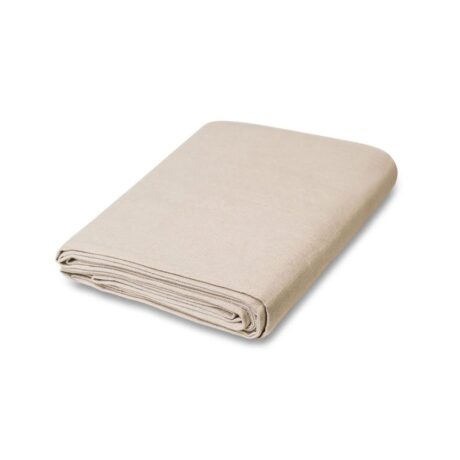
Material and Weight: Typically 100 percent cotton woven fabric (greige osnaburg), rated by weight, with 6 oz and 8 oz variants being the most common. The 8 oz canvas offers superior strength and abrasion resistance, making it the preferred choice for exposed areas on galvanized steel ducting and large-diameter pipes where physical impact is likely.
-
Function: The cloth acts as the mechanical reinforcing matrix, holding the underlying insulation firmly in place and providing a stable surface for the final protective and sealing coat.
2. Lagging Adhesive and Protective Coating
-
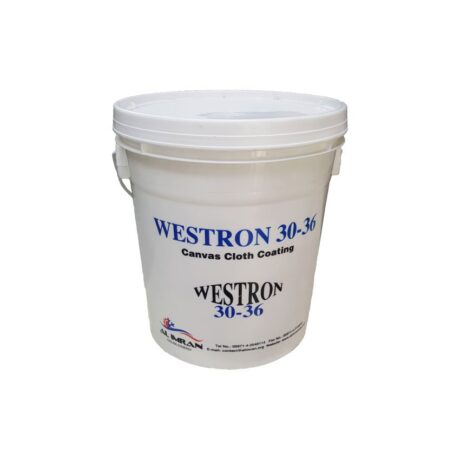
Dual Function: The product, often referred to as canvas glue or coating, is a specialized, single-component, water-based formulation. It serves as a flexible adhesive to secure the canvas cloth and, crucially, as a protective mastic that seals the canvas, forming a durable, non-flammable vapor retarder finish.
-
Key Features: Coatings supplied for the UAE market must exhibit:
-
UV and Abrasion Resistance: Essential for outdoor ducting and piping exposed to intense sunlight and fine sand/dust abrasion.
-
Non-Flammability: Must be non-toxic and meet strict fire safety standards (NFPA 90A/90B 25/50 rating, meaning a Flame Spread Index under 25 and Smoke Developed Index under 50).
-
Anti-Bacterial/Anti-Fungal: A necessary safeguard in the high-humidity environment to prevent mold and bacterial growth within the porous canvas and on the insulation surface.
-
Technical Insights for UAE Climate and Compliance
Proper application of the canvas and coating system is crucial for achieving an effective vapor barrier in the Gulf’s excessive humidity (often exceeding 75 percent relative humidity for extended periods).
-
The Two-Coat Method: For superior vapor retardation, the canvas cloth is not simply glued on top. It must be embedded between two coats of the lagging adhesive/coating. The first coat acts as the glue, the canvas is applied while the first coat is wet, and a thick final coat is applied over the canvas once the first coat is fully cured. This method ensures maximum vapor barrier continuity.
-
Seam Sealing: The coating is vital for fully sealing the margins, joints, and seams of the underlying rigid fiberglass or foam insulation panels, preventing internal air leakage and vapor penetration, which are major sources of energy loss and interstitial condensation.
-
Temperature Stability: The coating must remain flexible across a wide operational range (down to chilled water temperatures and up to high roof ambient temperatures) without cracking or delaminating.
Canvas Cloth & Coating Price and Where to Buy in UAE
MEP contractors demand competitive pricing for bulk supply of both the fabric and the coating, often requiring quick delivery to large construction sites in Dubai and Abu Dhabi.
Al Waleed A/C Spare Parts Dubai provides a readily available inventory of both 6 oz and 8 oz HVAC canvas cloth in standard widths, alongside high-quality, non-toxic, non-flammable canvas coatings (30-36 equivalents). We offer direct trade pricing and reliable supply chain logistics, ensuring large-volume orders can be fulfilled rapidly. Whether you need the canvas duct coat for new installations or spot-sealing insulation on cold water pipes, our stock is guaranteed to meet technical and compliance requirements.
Why Choose Al Waleed A/C Spare Parts Dubai?
We supply the materials that ensure MEP systems pass inspection and endure the region’s extreme conditions.
-
Guaranteed Compliance: Our lagging adhesives meet the required low flame/smoke ratings (25/50) essential for all major UAE construction codes, giving contractors full confidence during site inspections.
-
Specialized Stock: We stock the specific 6 oz and 8 oz canvas cloth weights preferred by local contractors for different application durability needs.
-
Vapor Barrier Focus: We only supply coatings engineered with a low water vapor transmission rate (WVTR), designed specifically to combat the high-humidity challenge of the Arabian Gulf, thereby extending insulation life.
-
Trade-Ready Volume: Our inventory is structured for wholesale volume purchases of both cloth and the coating (available in gallon/liter containers), supporting the demands of large commercial and residential projects.
Technical FAQ for Canvas Cloth & Lagging Adhesive
Q: What is canvas lagging used for in HVAC systems?
A: Canvas lagging is used as a mechanical and protective jacket over the primary thermal insulation (usually fiberglass or foam) on air conditioning ductwork and chilled water piping. When coated with a specialized adhesive/mastic, it provides a durable, fire-retardant, and weather-resistant surface that also enhances the vapor barrier protection.
Q: What is the flame and smoke spread rating required for canvas duct coatings in the UAE?
A: The required rating is generally a maximum Flame Spread Index of 25 and a maximum Smoke Developed Index of 50, often referenced as a 25/50 rating. This standard, derived from NFPA 90A/90B and tested by ASTM E 84, is mandatory for materials installed within air plenum and distribution systems to limit the spread of fire and toxic smoke.
Q: How is the canvas cloth measured (oz/yard) for insulation jacketing?
A: Canvas cloth weight is typically measured in ounces per square yard (oz/sq yd). The common weights for HVAC lagging are 6 oz (lighter duty, often sufficient for indoor pipes) and 8 oz (heavy duty, offering greater mechanical strength and resistance for ductwork and exposed piping).
Q: What is the difference between a lagging adhesive and a duct sealant?
A: A lagging adhesive (coating) is used to bond the canvas cloth to the insulation and provide a finished, protective layer over the fabric. A duct sealant is a high-tack, often thicker mastic or compound specifically applied to the sheet metal joints, seams, and connections of the air duct itself to prevent air leakage.
Q: Can I use the 30-36 coating equivalent on materials other than canvas, like fiberglass?
A: Yes, the water-based 30-36 equivalent coating is often used directly on other materials. It is commonly applied to the exterior of fiberglass insulation or foam boards to provide an additional layer of protection, increase surface durability, and act as a water-based vapor retarder, especially over seams or exposed edges.
Q: What is the purpose of the anti-bacterial/anti-fungal additive in the canvas coating?
A: The additive is crucial in the humid UAE climate. It prevents mold, mildew, and bacterial growth from occurring on the surface of the canvas and potentially penetrating the insulation, thereby protecting the indoor air quality (IAQ) and maintaining the cleanliness of the cooling system components.
Q: Why is storage temperature important for the lagging adhesive coating?
A: Most water-based lagging adhesives are formulated to be stored between 10 degrees C and 30 degrees C. Exposing the product to freezing temperatures will cause irreversible separation and loss of adhesive properties. Storing it in extreme heat (above 30 degrees C) can also shorten the shelf-life significantly.
Q: Is additional vapor barrier protection needed even when using a coated canvas?
A: Yes, in severe conditions. When insulated pipes or equipment carry very cold media (like brine or low-temperature chilled water) or are installed in areas with consistently high relative humidity (above 75 percent), engineers often specify a highly engineered, low-permeance vapor barrier underneath the canvas for maximum protection against condensation failure.
Q: What are the risks of using a non-UV resistant coating on outdoor ductwork in the UAE?
A: A non-UV resistant coating will rapidly degrade and crack under the intense solar radiation of the UAE. Cracking compromises the vital vapor barrier, allowing moisture to penetrate the underlying insulation, leading to condensation, loss of thermal performance, and physical failure of the jacket system.
Q: Can the canvas cloth be applied without the final adhesive coating?
A: While the canvas cloth can be temporarily secured without the final coat, it should never be left uncoated. Without the final lagging adhesive, the canvas provides virtually no fire resistance, is highly susceptible to mold growth, and offers no meaningful vapor barrier protection, completely undermining the purpose of the lagging system.