Showing all 7 results
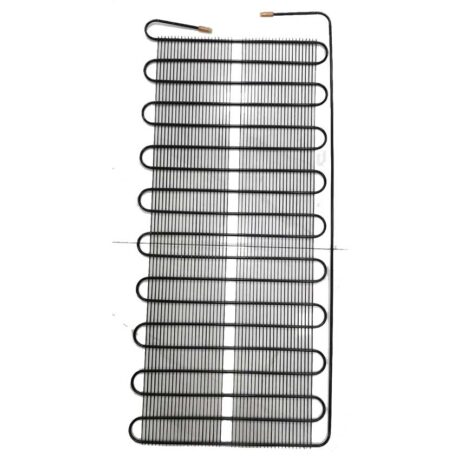

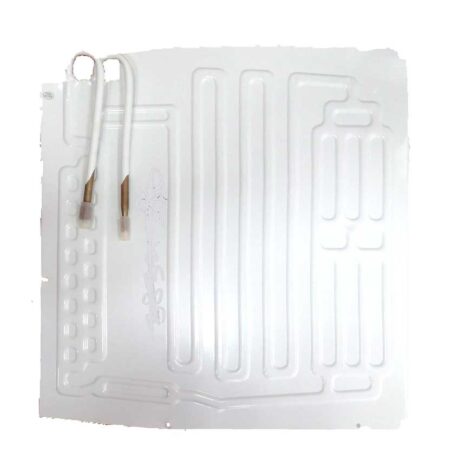
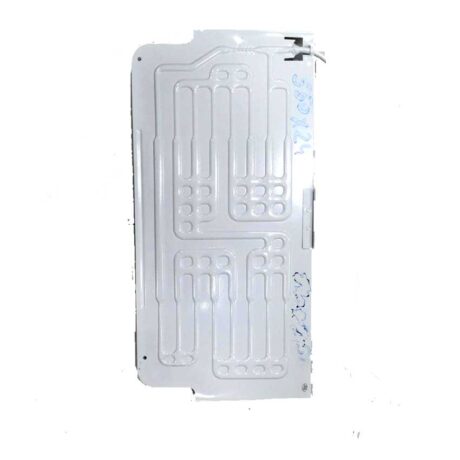
High-Efficiency Condenser and Evaporator Coils: Top and Leading Supplier in UAE for Optimal AC Performance – Al Waleed A/C Spare Parts
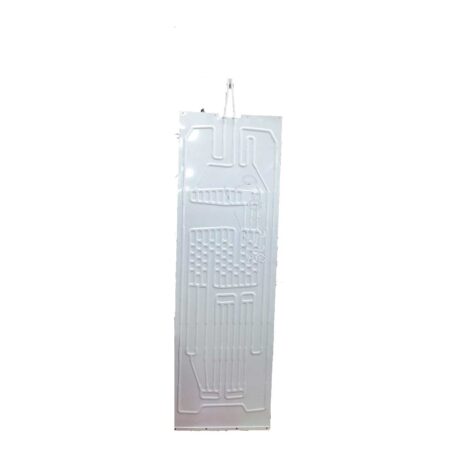
The condenser and evaporator coils are the two most critical heat exchangers in any Vapor Compression Refrigeration (VCR) cycle, forming the core mechanism by which heat is extracted from an indoor space and rejected to the external environment. In the UAE’s high-ambient temperature climate, the efficiency and surface area integrity of these coils directly determine the air conditioner’s BTU capacity, energy consumption, and operating lifespan. Coil failure, often caused by corrosion or fouling from sand and humidity, results in substantial energy loss and cooling failure. Al Waleed A/C Spare Parts Dubai supplies high-grade condenser evaporator coils and components, engineered for maximum heat transfer and durability against the corrosive elements prevalent across Dubai’s commercial and residential cooling infrastructure.
The Physics of Cooling: How Evaporators and Condensers Function
The entire principle of air conditioning relies on the phase change of the refrigerant as it cycles between a low-pressure liquid and a high-pressure gas.
1. Evaporator Coils (Indoor Unit):
Located within the indoor unit (air handler or fan coil unit), the evaporator coil is where the cooling process begins. Low-pressure, low-temperature liquid refrigerant enters the coil and begins to absorb vast quantities of latent heat from the warm return air blown across its fins by the blower fan. This heat absorption causes the refrigerant to undergo an endothermic phase change, flashing into a low-pressure, superheated gas. The resulting cooled and conditioned air is then distributed throughout the building. This part of the process defines the cooling capacity and humidity control of the entire AC system.
2. Condenser Coils (Outdoor Unit):
The high-pressure, high-temperature gaseous refrigerant travels from the compressor to the condenser coils, located in the outdoor unit. Here, the heat absorbed indoors (plus the heat added by the compressor) is released into the ambient outdoor air. The high pressure forces the gaseous refrigerant to undergo an exothermic phase change back into a high-pressure, subcooled liquid. This heat rejection is assisted by the condenser fan motor and is highly sensitive to the high ambient temperatures of the UAE.
Technical Differences and Operational Impact
The functioning mechanics of evaporators and condensers are distinct in terms of their pressure and thermal processes:
| Feature | Evaporator Coil (Indoor) | Condenser Coil (Outdoor) |
| Function | Absorbs heat, converts liquid to gas (Vaporization) | Releases heat, converts gas to liquid (Condensation) |
| Pressure | Low Pressure | High Pressure (Compressor Discharge) |
| Thermal Process | Endothermic (Heat Absorbing) | Exothermic (Heat Releasing) |
| Result | Cold conditioned air | Hot exhausted air |
The performance integrity of both coils is interdependent. If the condenser coil is fouled by sand or dust (a common issue in the UAE), its heat rejection ability drops, leading to high head pressure that stresses the compressor. If the evaporator coil is dirty or frozen, heat absorption fails, reducing cooling capacity.
Applications Across UAE Cooling Infrastructure
Al Waleed A/C Spare Parts supplies coils for every segment of the UAE market:
-
Residential & Light Commercial: Replacement evaporator coil vs condenser coil sets for split AC systems, ducted units, and window AC units.
-
Central Plant: High-capacity condenser and evaporator bundles for air-cooled and water-cooled chillers used in hotels, malls, and commercial towers.
-
Specialized Refrigeration: Condenser and evaporator assemblies for cold storage units, walk-in coolers, and refrigeration systems where consistent temperature control is paramount for food and pharmaceutical safety.
Condenser Evaporator Price in UAE and Replacement Strategy
The cost of condenser evaporator replacement varies significantly based on coil material (copper vs. aluminum), size (BTU rating), fin design, and protective coating (e.g., hydrophilic or epoxy coatings for anti-corrosion). For commercial applications, choosing the best condenser evaporator replacement often involves specifying coils with enhanced corrosion resistance to maximize life expectancy in the humid environment.
Al Waleed A/C Spare Parts is the trusted supplier for both evaporator and condenser coils. We help technicians find the exact match replacement quickly, offering highly competitive pricing and immediate availability in Dubai, reducing the critical time window a building is without effective cooling.
Why Choose Al Waleed A/C Spare Parts Dubai?
Our coils are selected specifically for resilience in the intense heat and humidity of the UAE. We understand that coil efficiency directly translates to electricity bills for end-users, and our focus is on supplying products that meet or exceed Original Equipment Manufacturer (OEM) heat transfer specifications. By stocking a wide range of sizes and specifications for every major air conditioning brand used in the region, we ensure HVAC contractors always have access to the quality components needed for a definitive, long-lasting repair, cementing our role as the leading supplier of A/C spare parts in the region.
Technical FAQ for Condensers and Evaporators
Q: What is the most common failure mode for condenser coils in Dubai?
A: The most common failure mode is fouling (accumulation of sand, dust, and debris) which severely restricts airflow and reduces heat transfer. Secondly, corrosion caused by high humidity and airborne salts (especially near the coast) leads to fin degradation and eventual tube leaks.
Q: How does a dirty evaporator coil affect system performance?
A: A dirty evaporator coil acts as an insulator, significantly reducing its ability to absorb heat from the indoor air. This causes the refrigerant to not fully boil off, leading to liquid refrigerant potentially returning to the compressor (slugging), which can cause catastrophic compressor failure.
Q: Why is it necessary to use a compressor condenser evaporator diagram for troubleshooting?
A: A compressor condenser evaporator diagram is essential for visualizing the entire VCR cycle. It helps technicians trace refrigerant flow, diagnose pressure imbalances (high or low side), and isolate whether a fault (like poor cooling) originates from insufficient heat absorption (evaporator) or insufficient heat rejection (condenser).
Q: What is the function of the fins on the condenser and evaporator coils?
A: The fins (thin metal sheets) dramatically increase the total surface area of the coil that is in contact with the air. This vastly improves the rate of heat transfer, making the heat exchange process efficient enough to cool a building effectively.
Q: What is the main difference between an evaporator coil replacement and a full refrigeration system replacement?
A: Evaporator coil replacement is a repair job involving breaking the refrigerant lines, replacing only the faulty coil, and then re-brazing, evacuating, and recharging the system. A full system replacement involves removing both the indoor and outdoor units, along with the line set, which is a much larger and more costly intervention.
Q: What protective coatings are available for condenser coils to protect them from the UAE climate?
A: Common protective coatings include factory-applied epoxy coatings (e.g., E-coating) or phenolic resin coatings. These minimize direct metal contact with corrosive environmental factors, significantly extending the coil’s life expectancy in high-salinity and humid conditions.
Q: Does Al Waleed A/C Spare Parts supply microchannel condensers?
A: Yes, we supply various condenser evaporator coil designs, including microchannel heat exchangers. These offer higher efficiency and use less refrigerant, but require specialized brazing and repair techniques due to their aluminum construction.
Q: What should the temperature difference (Delta T) be across the evaporator coil during normal operation?
A: The standard temperature drop (Delta T) across the evaporator coil for return air entering and conditioned air leaving should typically be between 16 degrees F and 22 degrees F (about 9 degrees C to 12 degrees C). A Delta T outside this range indicates an airflow or refrigerant charge problem.
Q: Why does the low internal pressure in the evaporator cause the refrigerant to vaporize?
A: Pressure and temperature are directly linked (as per the refrigerant pressure-temperature chart). By forcing the refrigerant through a metering device (expansion valve), the pressure is dramatically lowered. This low pressure lowers the refrigerant’s boiling point far below the air temperature, causing it to quickly boil (vaporize) and absorb heat.
Q: What is subcooling, and why is it important at the condenser coil?
A: Subcooling is the temperature difference between the liquid refrigerant leaving the condenser and its saturation temperature. Proper subcooling ensures that the refrigerant is 100% liquid before entering the metering device. Lack of subcooling indicates poor condenser heat rejection, which results in inefficient cooling and high head pressure.