
Showing all 16 results
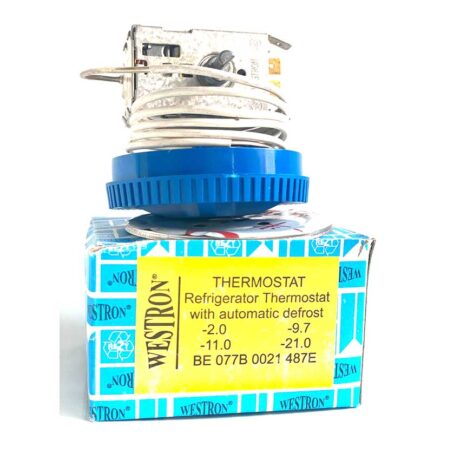
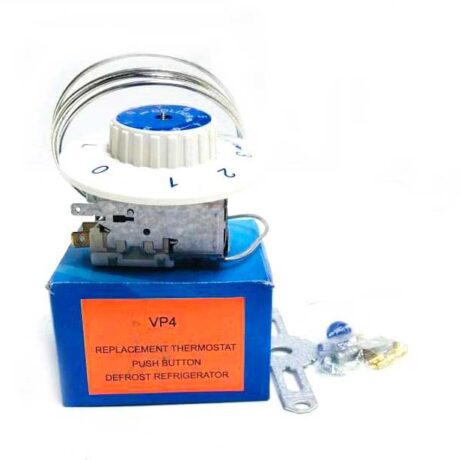
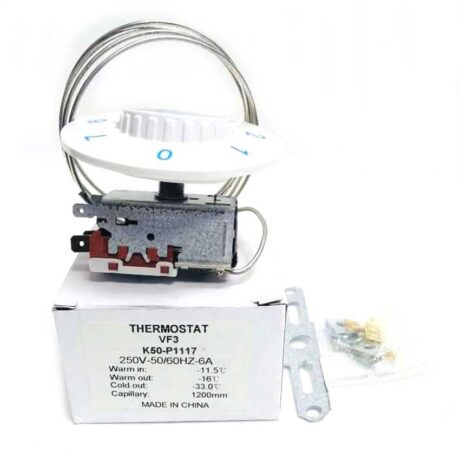
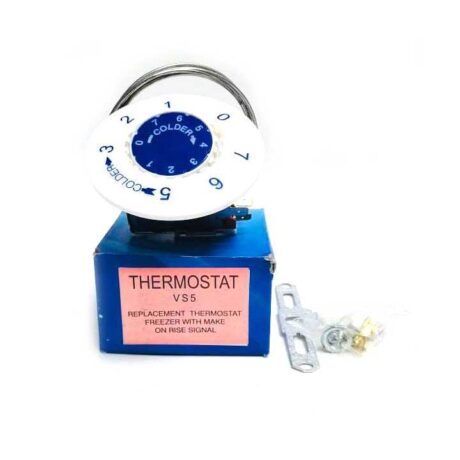
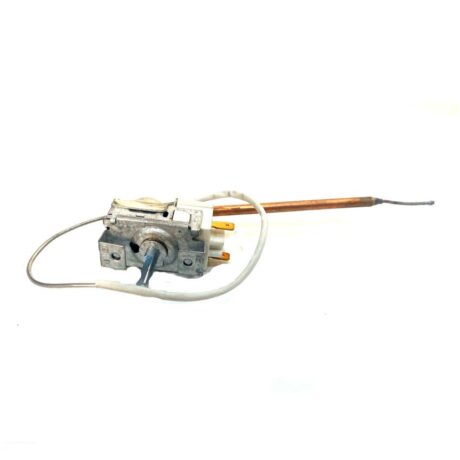
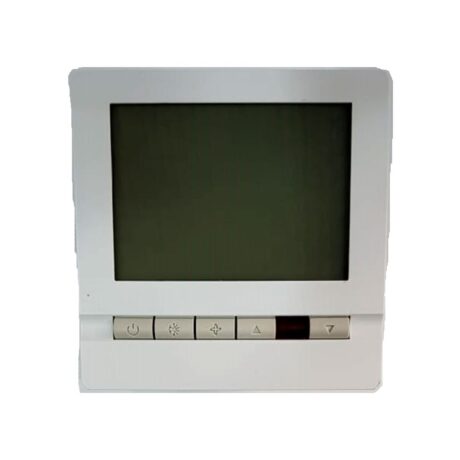
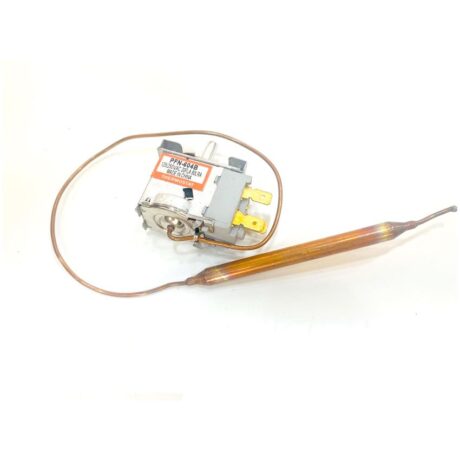
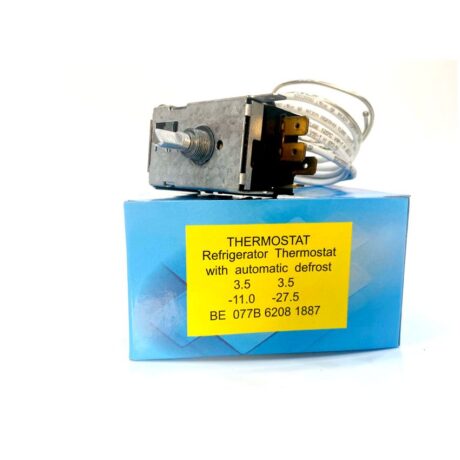
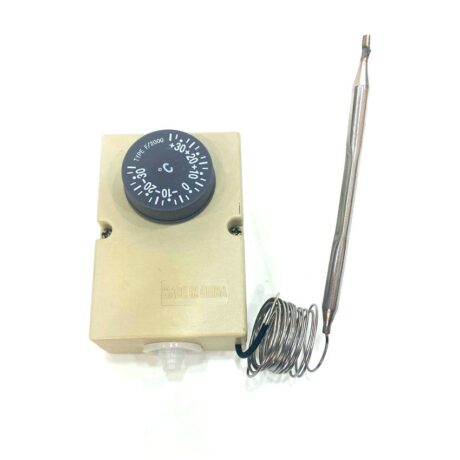
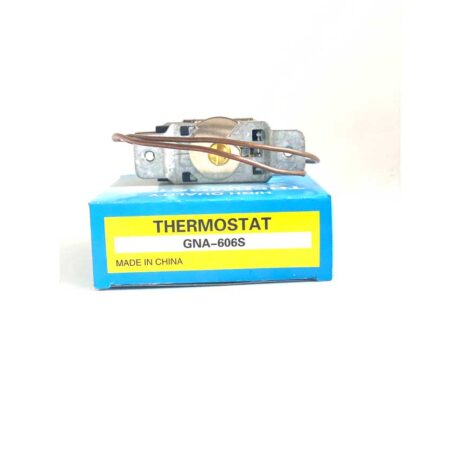

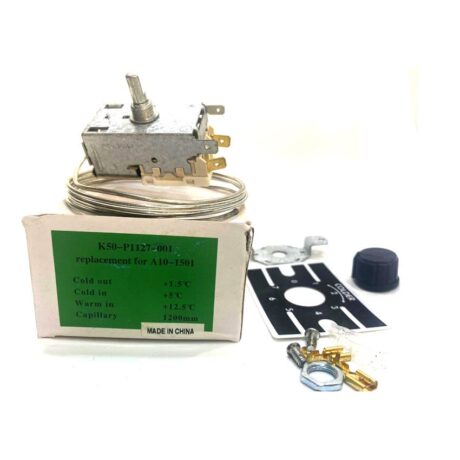
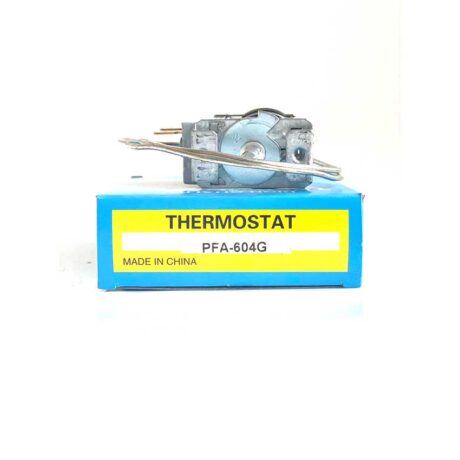
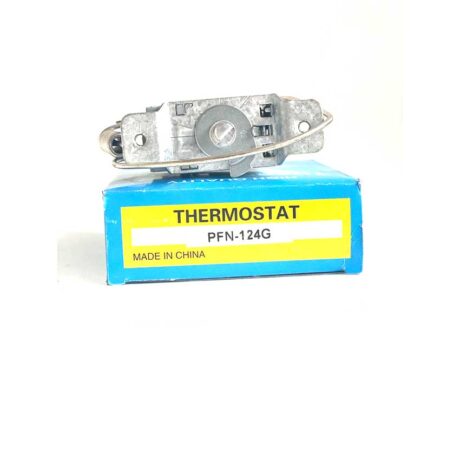
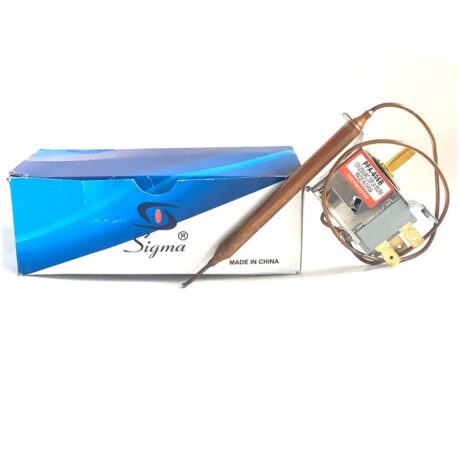
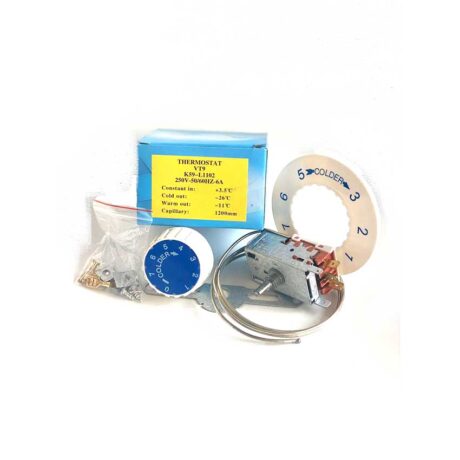
Strategic Supplier of Thermostat & Digital Temperature Controllers in Dubai and UAE
In the UAE’s demanding climate, precision temperature control is the absolute foundation of reliable HVAC and commercial refrigeration operations. From maintaining comfort in luxury residential towers to ensuring compliance in walk-in food storage, the Thermostat and Temperature Controller is the critical device that dictates system performance, energy consumption, and longevity. Failures range from minor discomfort in an office space to catastrophic spoilage in a commercial freezer, driving urgent demand for high-quality, technically precise replacement parts.
Al Waleed A/C Spare Parts Dubai is the Strategic Supplier for the full spectrum of temperature control spares, specializing in both robust mechanical thermostats and advanced digital controllers from global leaders, all certified for the stringent 220V/240V, 50Hz requirements of the local market. We equip HVAC technicians and FM operators with the exact component needed for a guaranteed fix.
Core Functionality and Applications in the UAE HVAC/R Sector
Temperature control devices serve as the “brain” of any cooling system by regulating the flow of power to the primary cooling components (compressor, chiller, fans).
-
Residential & Light Commercial HVAC: Basic mechanical or electronic thermostats in fan coil units (FCUs) and split AC systems manage room temperature by switching the compressor On/Off to maintain a user-defined setpoint. In the UAE’s high-heat context, the speed and accuracy of this switch action directly impact energy bills and occupant comfort.
-
Commercial Refrigeration (Walk-in Coolers & Freezers): High-precision Digital Temperature Controllers (like Dixell XR series or CAREL ir33) are used. These sophisticated units manage multiple outputs, including the compressor, evaporator fan, and the mandatory defrost cycle, often utilizing advanced PID control algorithms for superior temperature stability (e.g., +-0.1 degrees C accuracy) crucial for cold chain integrity.
-
Chiller Plant Management: More complex universal controllers integrate into Building Management Systems (BMS), providing features like modulating control (0-10VDC) to manage chiller capacity and flow rates, optimizing large-scale cooling for commercial and industrial buildings.
Technical Insights: Mechanical vs. Digital Control in Extreme Heat
UAE technicians must select the right control type based on the application’s complexity, required precision, and energy goals.
| Aspect | Mechanical Thermostat (e.g., K50-P1117) | Digital Controller (e.g., Dixell XR06CX) |
| Sensing Mechanism | Capillary tube and bellows/diaphragm (vapor pressure) | NTC or PTC Thermistor/RTD sensor (electronic resistance) |
| Accuracy | Basic (hysteresis +-2 degrees C) | High (resolution down to 0.1 degrees C) |
| Functionality | Simple On/Off switching | On/Off, Defrost Management, Fan Control, Alarms |
| Best Used For | Domestic refrigerators, older chillers, simple AC control | Walk-in freezers, display cases, precise temperature storage |
| UAE Benefit | Robust, low-cost replacement, requires no programming | Energy saving via adaptive defrost, remote monitoring readiness |
The Digital Advantage in the UAE: Digital controllers provide Adaptive Defrost Management. Instead of defrosting on a fixed timer regardless of need, the controller uses an evaporator probe (NTC sensor) to initiate defrost only when frost buildup is detected, saving energy and maintaining a more stable temperature profile in high-load commercial freezers.
The Thermostat and Defrost Loop: The main thermostat (or controller) manages the cooling setpoint. For refrigeration, this works in conjunction with the Defrost Thermostat (or bimetal switch), which acts as a safety device to terminate the defrost heater cycle once the evaporator coil has reached a safe temperature, typically 5 degrees C to 15 degrees C, preventing excessive heat in the freezer cabinet.
Sourcing the Best Digital Temperature Controller Price in UAE
For facility managers and maintenance contractors, the focus is on reliability, technical compliance, and the ability to source high-specification controllers quickly.
Al Waleed A/C Spare Parts Dubai maintains a specialized inventory of key commercial controllers. We supply Dixell, CAREL, and AKO digital controllers compatible with leading brands used in Dubai’s hotels and foodservice industries. We understand the specific demand for features like three relay outputs (Compressor, Defrost, Fan) and standard 32x74mm (CX format) DIN mounting sizes for hassle-free panel replacement. Whether you require a universal mechanical thermostat replacement for residential AC or a specialized PID temperature controller supplier in Sharjah for industrial processes, our wholesale trade focus ensures availability and cost efficiency.
Why Choose Al Waleed A/C Spare Parts Dubai?
Our expertise is deeply rooted in the operational realities of the UAE, ensuring our stock selection addresses the highest frequency failure points and performance needs.
-
Specialized Inventory: We stock the specific mechanical and electronic controllers, sensors (NTC thermistors), and associated parts (like defrost bimetal switches) required for UAE-standard 220V/50Hz systems.
-
Commercial Focus: We prioritize high-precision controllers suitable for commercial and industrial refrigeration, helping businesses maintain HACCP compliance and prevent inventory loss.
-
Technical Support: We provide the correct replacement specifications (e.g., capillary length for mechanical thermostats, sensor type for digital controllers) to ensure functional compatibility and long-term system health.
-
Rapid Fulfillment: Understanding that a failed temperature controller is an emergency, our logistics are geared toward fast parts fulfillment across all Emirates.
Technical FAQ for Thermostat & Temperature Controllers
Q: What is the difference between an electronic thermostat and a mechanical thermostat?
A: A mechanical thermostat uses the expansion and contraction of a fluid in a capillary tube to physically open or close electrical contacts (On/Off control). An electronic or digital controller uses an electronic sensor (thermistor or RTD) to measure temperature and a microprocessor to decide when to switch outputs, offering superior accuracy (often +-0.1 degrees C) and complex features like adaptive defrost.
Q: How does a PID temperature controller provide more accuracy than a standard On/Off thermostat?
A: An On/Off thermostat causes temperature fluctuation between the setpoint and the switch limits. A PID (Proportional-Integral-Derivative) controller uses an algorithm to calculate how far the current temperature is from the setpoint and modulates the output (e.g., via a 0-10VDC signal to a variable speed drive) to gently adjust the cooling capacity, minimizing temperature overshoot and maintaining near-perfect stability.
Q: How can I test a mechanical refrigerator thermostat to see if it is faulty?
A: The simplest test for a mechanical thermostat is continuity testing with a multimeter after disconnecting power. Turn the dial fully counter-clockwise (Off/Warmest); the meter should show no continuity. Slowly turn the dial clockwise until you hear a “click.” At the click, continuity should appear. If it clicks but no continuity is shown, the internal switch is faulty.
Q: What is a thermistor (NTC) and why is it used in digital controllers?
A: A thermistor is a type of resistor whose resistance varies significantly with temperature. NTC (Negative Temperature Coefficient) thermistors are most common in refrigeration; their resistance decreases as temperature rises. Digital controllers use this change in resistance to calculate the precise temperature, providing the high-resolution data necessary for accurate control.
Q: Can I replace a mechanical AC thermostat with a digital Wi-Fi thermostat?
A: Yes, in many FCU and split AC systems, a mechanical thermostat can be replaced with a digital or smart Wi-Fi thermostat, provided the new unit is compatible with the system’s voltage (typically 230V in the UAE) and control type (On/Off or 3-speed fan control). This upgrade is popular for remote access and energy monitoring.
Q: What is the benefit of a multiloop controller in industrial refrigeration?
A: A multiloop controller can simultaneously manage several interdependent variables within an industrial system. For example, it can manage the temperature of the cold room, the humidity level, and the pressure in the refrigerant lines, all from a single unit, leading to greater system stability, efficiency, and simplified monitoring.
Q: What is the common temperature setting for commercial food storage freezers in the UAE?
A: Commercial freezers must maintain a temperature of -18 degrees C (0 degrees F) or colder to comply with HACCP standards for food safety. The digital controller setpoint is typically maintained aggressively near -20 degrees C to allow for door openings and high ambient heat.
Q: Why do Dixell and CAREL controllers focus on the 32x74mm panel mounting size?
A: The 32x74mm (or similar DIN standard sizes) is the industry standard panel cut-out size for industrial and commercial controller installations worldwide. This standardization is critical for UAE technicians, as it ensures immediate “drop-in” replacement compatibility for most walk-in cooler and display case controllers, minimizing installation time.
Q: What is the ‘setback input’ feature often found on modern AC thermostats?
A: The remote setback input allows the thermostat to receive a low-voltage signal from a central source (like a BMS or a hotel room key card switch) to automatically raise the temperature setpoint (e.g., from 24 degrees C to 27 degrees C) when the room is unoccupied, resulting in significant energy savings in large commercial buildings.
Q: Does a faulty thermostat always mean the air conditioning unit itself is damaged?
A: No. A faulty thermostat usually means only the thermostat’s ability to sense temperature or switch power is compromised. It may fail to tell the AC unit to turn on, or it may tell it to run continuously. While this leads to poor performance, it rarely causes direct damage to the compressor or fans, though continuous running increases wear and tear.